
AllRide Apps Drives 55% Organic Growth and 4X Sales Calls
- Alka Gupta
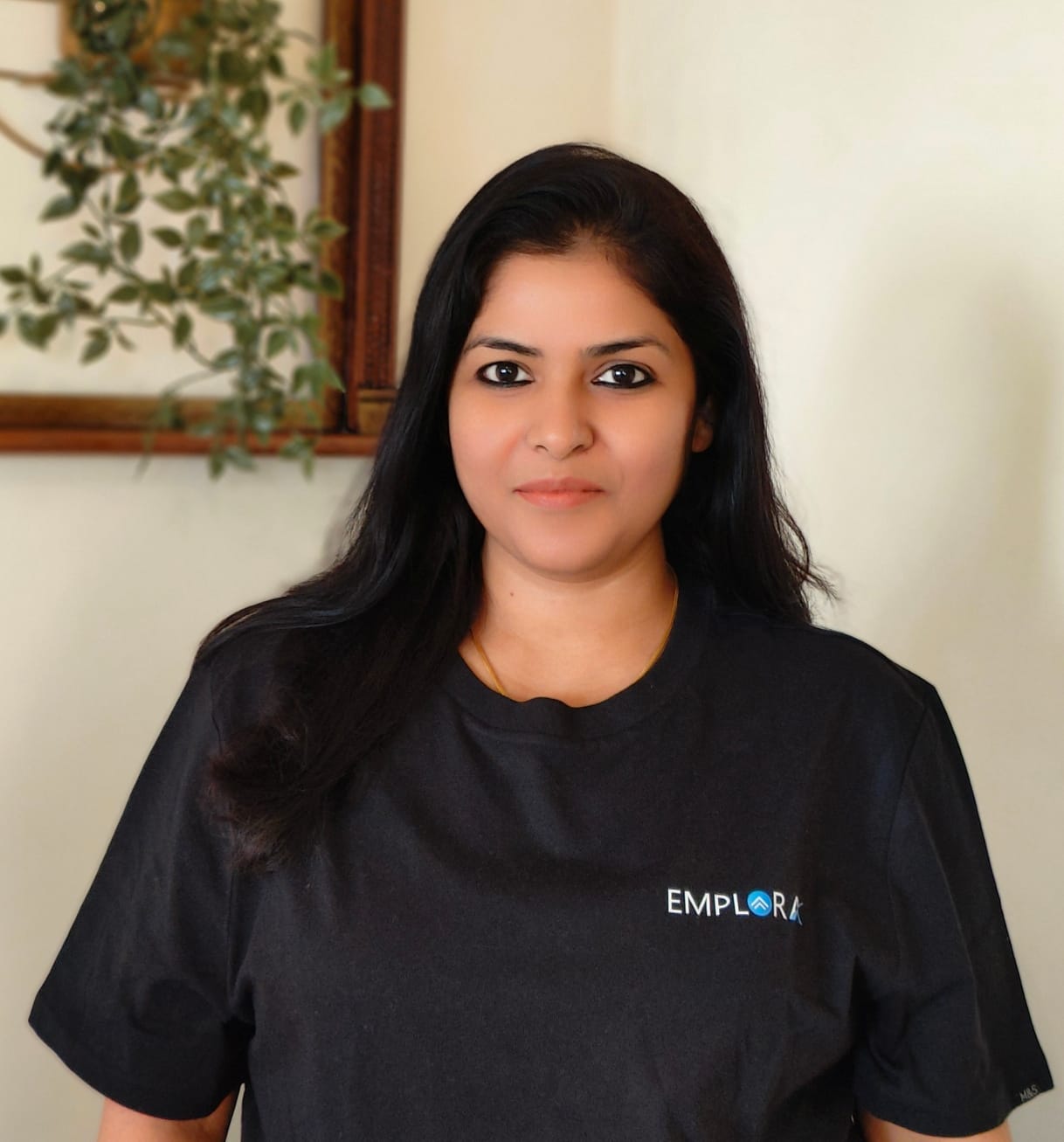
- Jan 1
- 4 min read
Updated: Jan 29
This case study explains how Alka helped AllRide Apps implement a focused SaaS growth strategy to accelerate organic traffic and multiply sales conversations in just 90 days. By aligning SEO, demand-generation content, and a scalable SaaS framework, the team achieved measurable growth with clear revenue impact.
Client Snapshot
AllRide Apps is a fast-growing SaaS company operating in the transport and logistics space, with a strong focus on delivery solutions. The company builds scalable SaaS products designed to support modern, on-demand mobility and logistics businesses. While serving a global customer base, AllRide Apps is primarily focused on the U.S. market, where demand for efficient, technology-driven delivery platforms continues to grow.
Pre-Engagement Growth Challenges
Before partnering with Alka, AllRide Apps faced several strategic growth obstacles that limited its ability to scale demand efficiently and predictably.
1. Limited Organic Visibility and Discoverability
Despite having a strong product, AllRide Apps struggled with weak organic search visibility. High-intent keywords relevant to its SaaS offering were buried beneath competitors, restricting discoverability among decision-makers actively evaluating transport and logistics software solutions. This lack of visibility reduced the company’s ability to generate inbound demand at scale.
2. Inconsistent and Low-Quality Inbound Pipeline
Inbound leads lacked consistency and intent alignment. While some traffic existed, it did not translate into a reliable or high-quality sales pipeline. Sales conversations were often reactive rather than predictable, making it difficult for leadership to forecast growth or align marketing efforts with revenue objectives.
3.Fragmented Content with No Growth Ecosystem
Content efforts were fragmented and tactical, with no cohesive ecosystem connecting awareness, consideration, and conversion stages. There was no structured content architecture to support long-term SaaS growth, resulting in missed opportunities to guide prospects through a clear, repeatable buyer journey.
4.Lack of a Scalable Growth Framework
Most importantly, AllRide Apps lacked a scalable, system-driven growth model. Marketing initiatives were not designed to compound over time, limiting growth predictability and increasing reliance on short-term tactics rather than sustainable demand generation.
Strategic Approach
Alka worked with AllRide Apps to design a systematic, scalable growth engine, focused on predictability, pipeline quality, and long-term compounding impact. We came in with a simple goal: turn their website into a scalable acquisition chan
The engagement was executed across three clearly defined phases.
Phase 1: Discovery & Benchmarking
The engagement began with a deep diagnostic to establish a clear growth baseline and uncover structural gaps across demand generation.
The full buyer journey was mapped, identifying how logistics and delivery decision-makers search, evaluate, and compare SaaS solutions across awareness, consideration, and decision stages. This analysis ensured future content aligned with real purchase intent, not vanity traffic.
Competitive Landscape & Keyword Gap Analysis
A detailed competitive audit revealed where AllRide Apps was losing visibility to established and emerging SaaS players. Alka identified high-intent keyword gaps and priority opportunities capable of driving qualified inbound demand rather than top-of-funnel noise.
Existing Content & Tech Stack Audit
Alka with her team assessed AllRide Apps’ existing content assets, site architecture, analytics setup, and SEO tooling. This audit surfaced fragmentation issues and technical limitations that were preventing content from compounding over time.
Phase 2: Strategy Development
Based on discovery insights, she designed a custom SaaS growth system, engineered for scale and measurable revenue impact.
AI-Driven SEO Architecture
A buyer-stage–aligned SEO framework was built using AI-driven insights. Keywords were mapped to specific intent layers—problem-aware, solution-aware, and decision-ready—ensuring each asset served a clear role in pipeline progression.
Content Ecosystem Planning
Rather than isolated blog posts, Alka planned a connected content ecosystem that included:
Decision-stage landing pages optimized for conversion
Educational blogs addressing core pain points
Thought leadership content to establish category authority
Each asset was designed to reinforce others through structured internal linking.
Community and Social Proof Strategy
To strengthen trust and advocacy, Alka outlined a community engagement plan leveraging platforms such as LinkedIn, Reddit, and review channels, with future pathways for Slack or Discord-based user communities. This added credibility beyond traditional SEO.
Geo and Intent Modeling - Alka prioritized geographic and intent signals, with a strong focus on the U.S. market. This ensured content visibility aligned with regions most likely to convert into revenue, not just traffic.
Phase 3: Execution Framework
Execution followed a repeatable, scalable framework supported by defined processes, tools, and cadence.
Topic Clusters and Semantic Content Builds
Alka deployed topic clusters to build topical authority across transport and logistics SaaS themes, improving discoverability and keyword dominance.
Intent-Aligned Landing Pages and Internal Linking
High-intent landing pages were created and supported by strategic internal linking to guide users naturally from education to conversion.
Community Engagement Systems
Content distribution extended into community-driven platforms, enabling AllRide Apps to engage prospects where industry conversations already existed.
AI-Assisted Optimization and Scaling
AI tools were leveraged to accelerate optimization, refresh content based on performance data, and scale successful patterns without sacrificing quality or intent alignment.
Results & Business Impact
Alka as a Director of Content with AllRide Apps helped them transition from fragmented growth efforts to a more predictable, performance-driven inbound engine. The impact was visible across traffic quality, pipeline outcomes, and internal alignment.
Quantitative Outcomes
Organic Traffic Growth
AllRide Apps recorded a 4X increase in organic sessions within 90 days. This growth was driven by improved visibility for high-intent SaaS keywords rather than broad, low-conversion traffic, ensuring relevance and downstream impact.
Lead Quality and Conversion Performance
Inbound traffic quality improved, resulting in a measurable increase in conversion rates across key entry points. Sales conversations became more consistent and intent-driven, contributing to a 4X increase in sales calls during the engagement period.
Customer Acquisition Efficiency
By shifting reliance from paid or short-term tactics to organic and content-led acquisition, AllRide Apps began reducing its cost of customer acquisition (CAC). While CAC optimization continued beyond the initial engagement, early indicators showed improved efficiency per inbound lead.
Qualitative Outcomes
Stronger Brand Authority
AllRide Apps established a clearer voice and presence within the transport and logistics SaaS category, positioning the brand as a credible solution provider rather than just a feature-driven product.
Improved Sales Enablement
Educational, buyer-aligned content equipped the sales team with assets that supported prospect conversations, reduced friction in the sales cycle, and reinforced trust during evaluation stages.
Better Marketing–Product Alignment
The structured growth framework created closer alignment between marketing strategy and product positioning. Content reflected real product value and customer pain points, enabling more cohesive go-to-market execution.